November, 2026
Driving Successful Transitions with Olmstead Specialist Stephanie Roberts
For many individuals and families, the idea of leaving a State Developmental Center for community living brings a mix of hope, excitement, uncertainty, and fear. Questions about safety, support, healthcare, and quality of life are natural parts of the transition process.
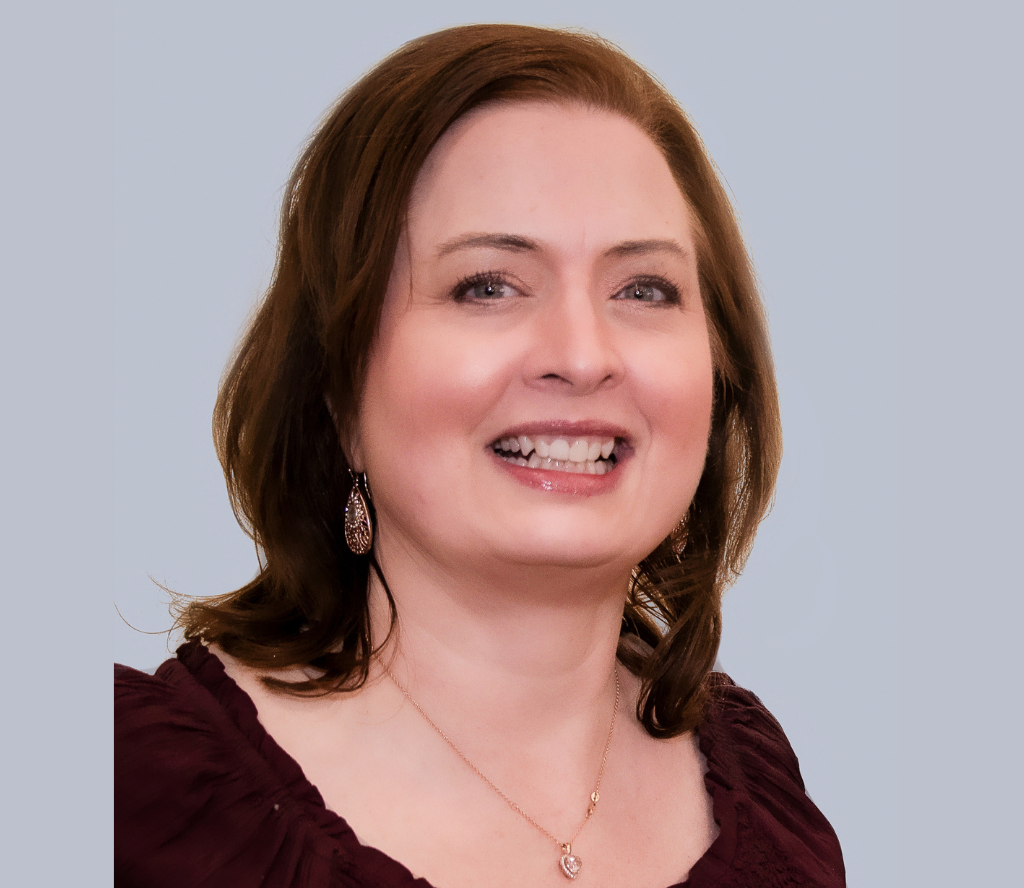
Helping people navigate those concerns while building a path toward community living is at the heart of Stephanie Roberts's work as an Olmstead Specialist at Murdoch Developmental Center. In this role, Stephanie brings together residents, families, guardians, providers, care managers, clinicians, and community partners to help individuals move successfully into community living.
"People say we're the liaison. I think of us more as the glue that puts all the moving parts together. At Murdoch, we say we're driving the transition bus, picking everyone up along the way until we reach our community destination."
That collaborative approach is exactly what makes successful transitions possible.
A Career Built Around Community
Stephanie's passion for community living began long before she became an Olmstead Specialist. Originally planning to become a teacher after graduating from UNC, she accepted a job in a community group home, intending to stay for only a year.
nstead, that experience shaped her entire career. She lived and worked alongside people with intellectual and developmental disabilities for nearly three years, helping them build meaningful lives in their communities.
"I've seen firsthand what community living can look like," she said. "I've seen people embraced by their communities and truly thrive."
Over the years, Stephanie has worked in residential services, waiver programs, and leadership roles before joining Murdoch Developmental Center. Those experiences continue to shape the way she approaches every transition today.
Every Transition Starts with Relationships
No two days look exactly alike. Stephanie's work includes morning rounds with treatment teams, person-centered planning meetings, transition planning meetings, and ongoing communication with community providers and Managed Care Organizations. Yet beneath all those responsibilities is one consistent priority; relationships.
You have to listen," Stephanie explained. "You can't assume anything. You have to understand everyone's priorities, keep checking in, and build trust." That trust extends across an entire network of people, from direct support professionals and therapists to guardians, families, providers, and care managers. "It takes dozens of people," she said. "It's a full bus."
Families often worry about whether their loved one will receive enough support, whether providers will understand their needs, or what will happen if circumstances change. Rather than trying to persuade families, Stephanie focuses on listening, building trust, and helping them make informed decisions. She shares examples of successful transitions, connects families with experienced providers and care managers, and uses motivational interviewing techniques to help people explore possibilities without pressure.
While housing, healthcare, behavioral supports, and waiver services are all critical to a successful transition, Stephanie believes success is grounded in the smaller details. Her team spends significant time preparing individuals for everyday life in the community. Life at the State Developmental Center is highly structured, with daily routines and activities built into each day. Community living offers greater freedom, but it also requires learning how to make choices, manage unstructured time, and develop new routines. To support that adjustment, the transition team helps build meaningful day schedules, identify activities they enjoy, connect with community resources, and develop personalized supports that promote independence. These details make a significant difference in helping someone feel comfortable, confident, and successful in their new home.
Stephanie credits the Money Follows the Person (MFP) program as an essential partner in successful transitions. "We really couldn't do these transitions without MFP," she said. The program helps put critical supports in place before someone leaves the State Developmental Center, including behavioral services, waiver supports, and other transition resources that allow individuals to begin community living with the services they need already in place.
Despite many successes, Stephanie recognizes that challenges remain. North Carolina continues to face shortages of direct support professionals, affordable housing, Medicaid providers, and specialized services for individuals with complex medical or behavioral needs. Yet she remains optimistic.
"I think we're making headway," she said.
She also encourages professionals and families to remain curious and open to learning. "When in doubt, ask," Stephanie said. "Things change all the time. Keep learning. Keep asking questions."
Finding Joy in the Journey
For Stephanie, the most rewarding moments come when months of planning finally come together. "It's a blessing to see all the hard work come to fruition," she said. "It takes the whole team." Watching someone settle into a new home, build new relationships, and experience greater independence reminds her why she chose this work decades ago. After all, driving the transition bus is never about one person. It's about bringing everyone together to help someone build a life in the community they choose.